Optimal Water Treatment Scheduling
Water treatments are essential for maintaining water quality and ensuring the safety of water supplies. The optimal timing for treatments depends on various factors including water source conditions, seasonal changes, and usage patterns. Proper scheduling can improve treatment effectiveness and extend equipment lifespan.
Spring and fall are ideal times for water treatments due to temperature fluctuations and increased water usage.
Performing water treatments before peak usage seasons helps prevent buildup of contaminants.
Following heavy rains or storms, water quality can decline, making treatment necessary.
Scheduling treatments at regular intervals ensures consistent water quality and system efficiency.
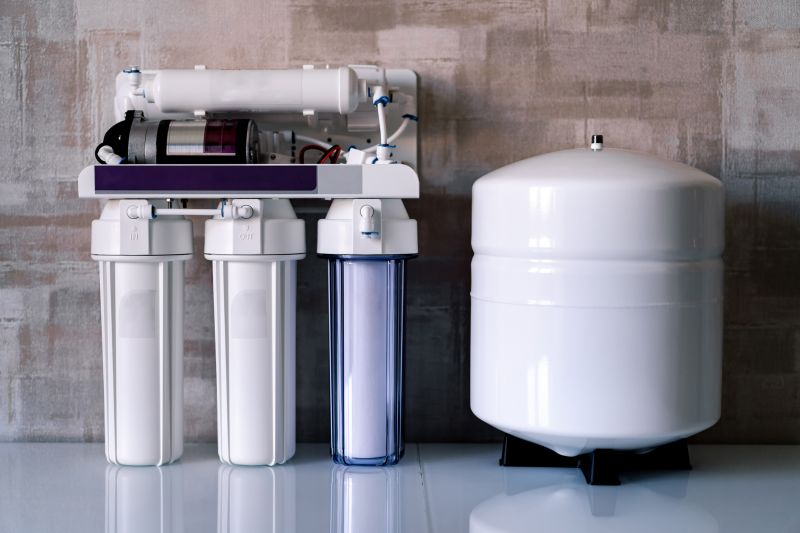
Advanced systems used for filtering and purifying water sources.
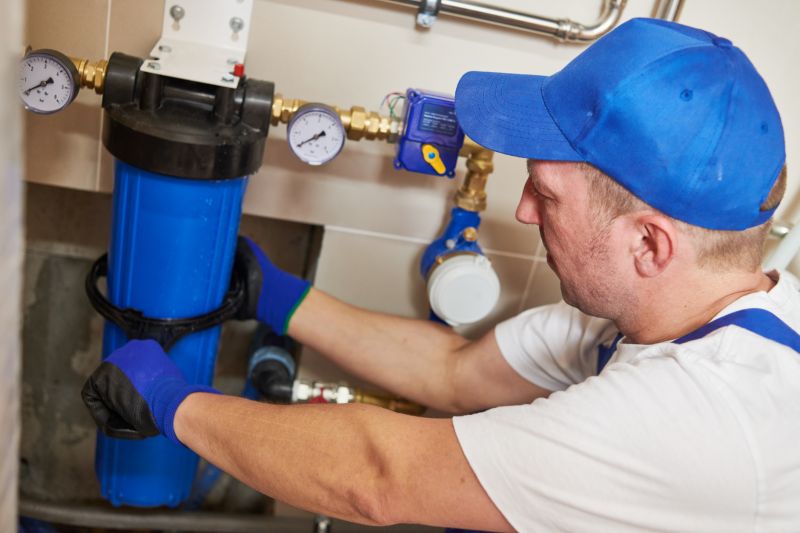
Laboratory analysis to determine water quality before treatment.
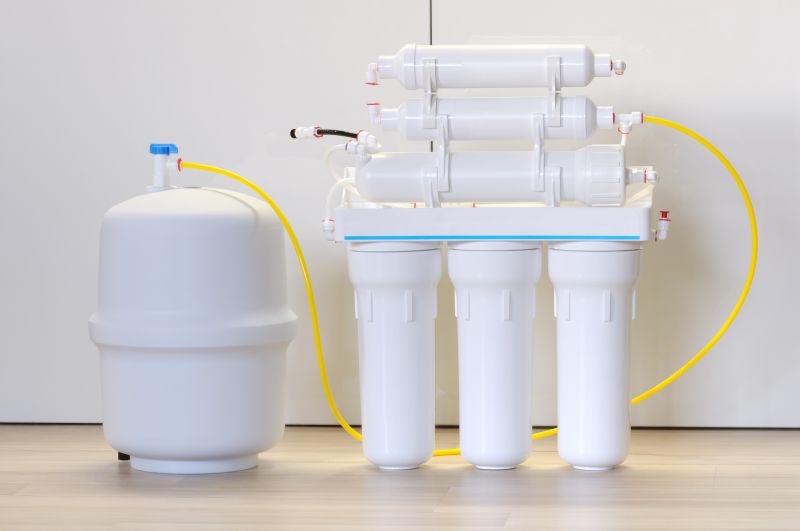
Modern facility designed for efficient water purification processes.
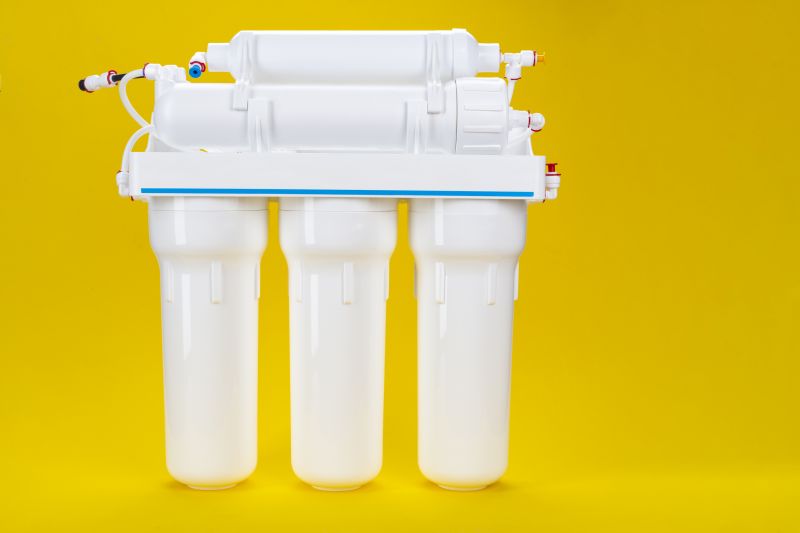
Ways to make Water Treatments work in tight or awkward layouts.

Popular materials for Water Treatments and why they hold up over time.
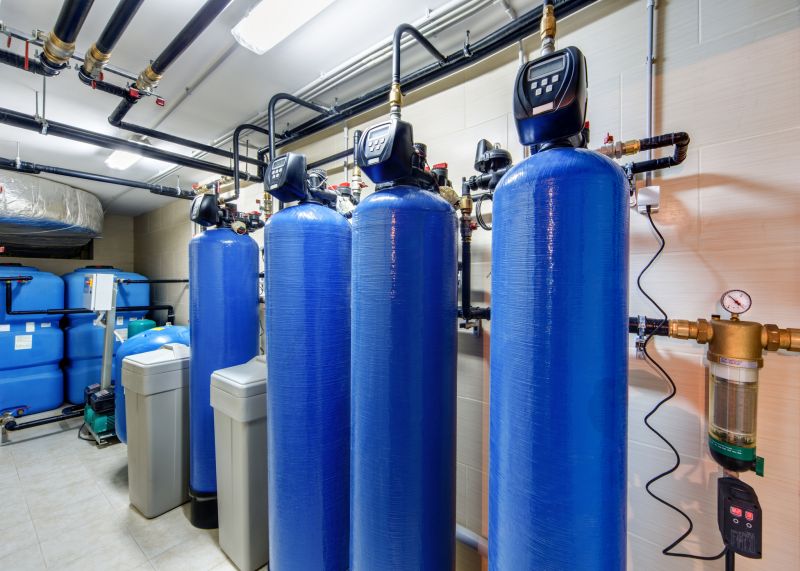
Simple add-ons that improve Water Treatments without blowing the budget.
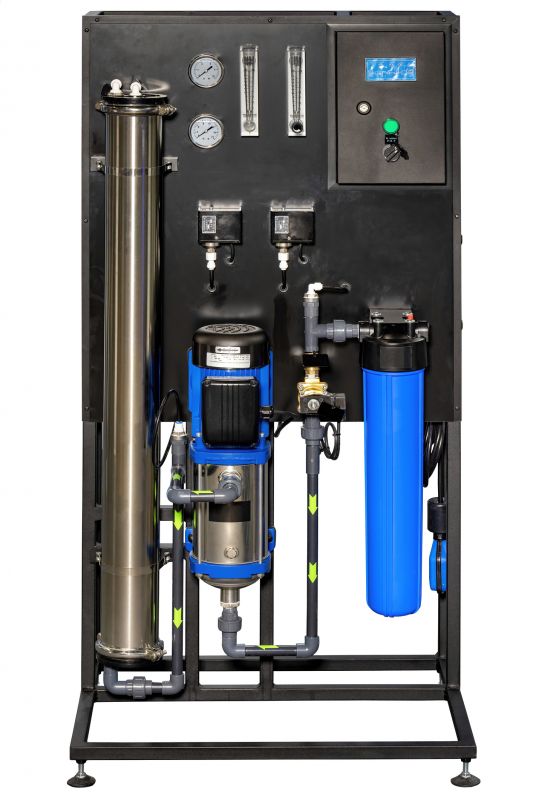
High-end options that actually feel worth it for Water Treatments.
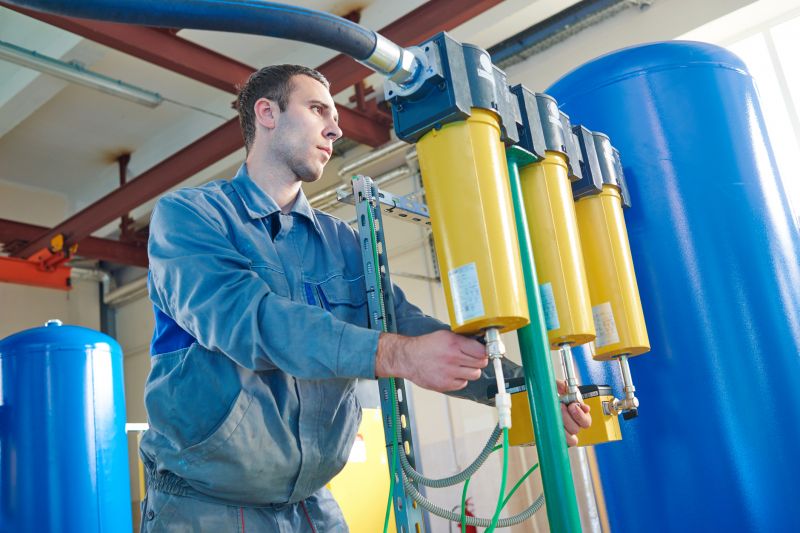
Finishes and colors that play nicely with Water Treatments.
| Optimal Treatment Timing | Key Considerations |
|---|---|
| Spring | Prepare for increased water demand and potential contaminants. |
| Fall | Address residual pollutants and prepare for colder months. |
| Post-Storm | Mitigate contamination from runoff and debris. |
| Pre-peak Usage | Ensure water quality before high demand periods. |
| Regular Intervals | Maintain consistent water quality and system health. |
Water treatments involve processes such as filtration, disinfection, and chemical adjustments to ensure water safety and quality. These treatments are critical in removing harmful contaminants, controlling microbial growth, and improving taste and clarity. Proper timing maximizes treatment efficiency and minimizes long-term costs.
Statistics indicate that untreated or improperly treated water can harbor bacteria, viruses, and chemical pollutants, posing health risks. Regular water treatments can significantly reduce these hazards, supporting public health and compliance with safety standards.
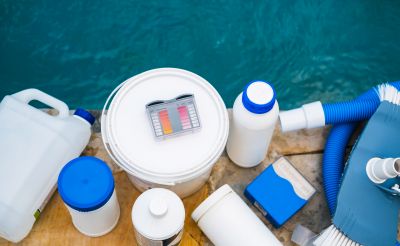
Collecting samples for analysis to determine treatment needs.
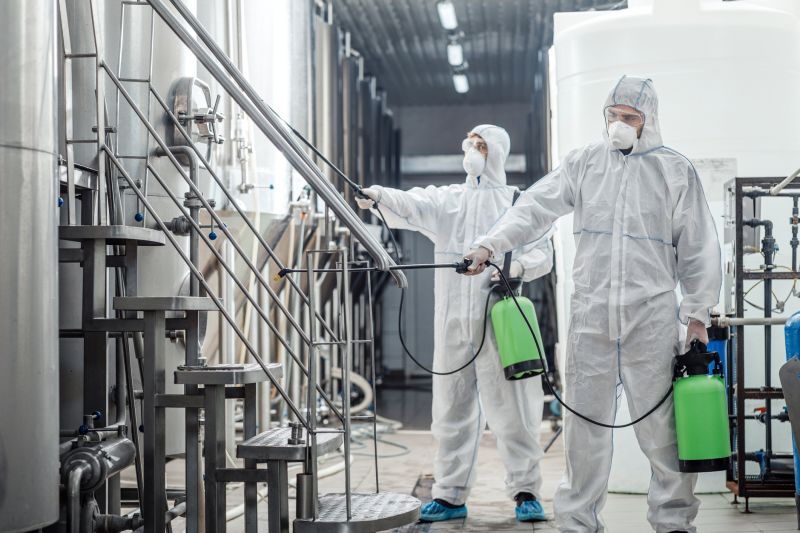
Application of disinfectants and pH adjusters during treatment.
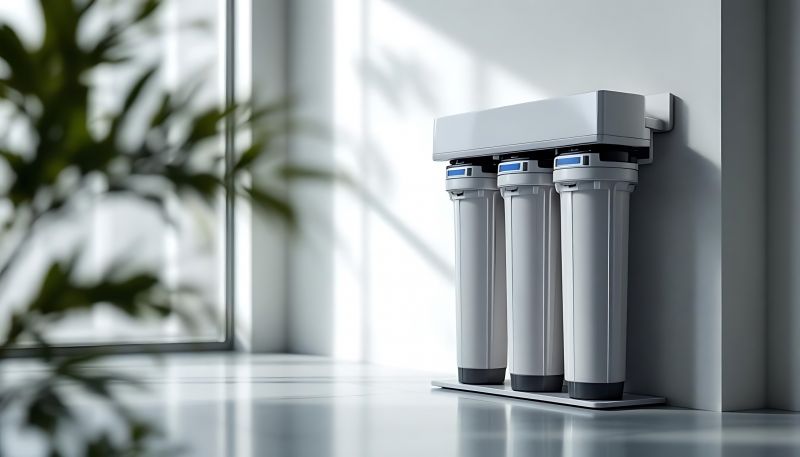
Removing impurities through advanced filtration technologies.
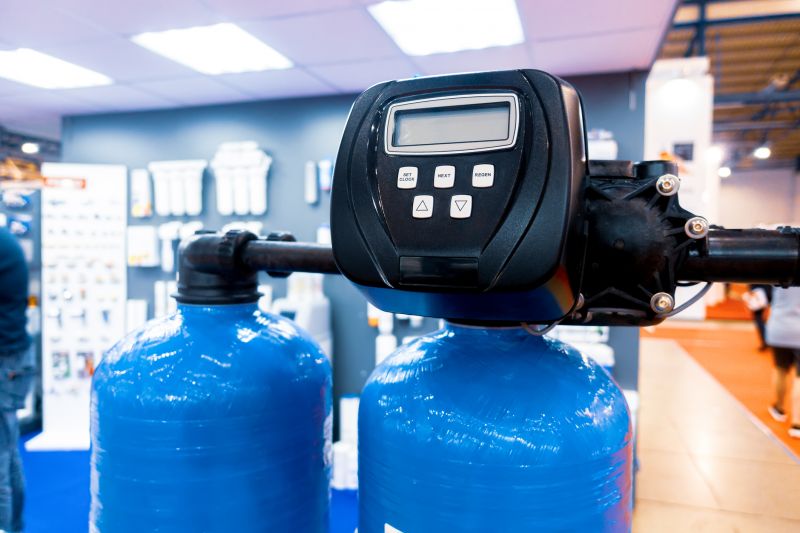
Ensuring water safety through effective disinfection methods.
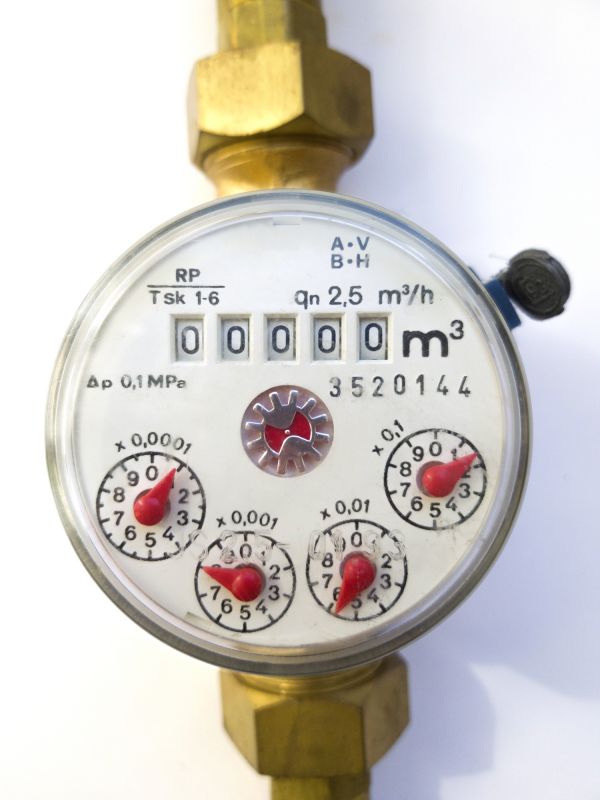
Little measurements that prevent headaches on Water Treatments day.

A 60-second routine that keeps Water Treatments looking new.
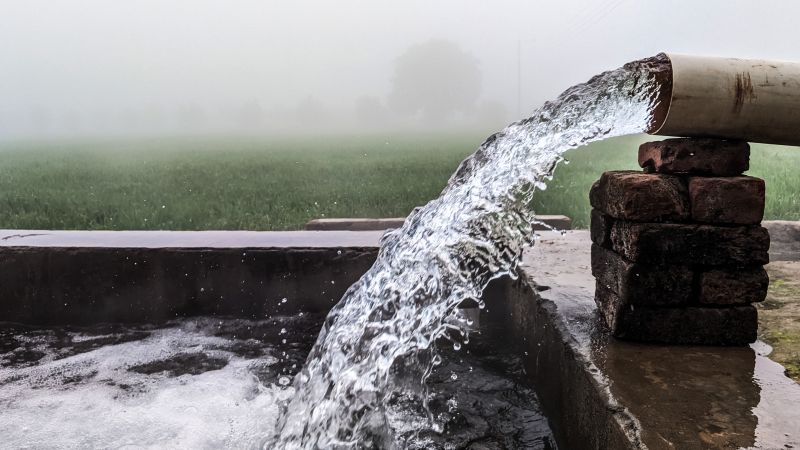
A frequent mistake in Water Treatments and how to dodge it.
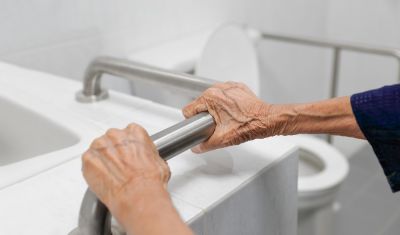
Small tweaks to make Water Treatments safer and easier to use.
Interested parties are encouraged to contact for more information about scheduling water treatments. Proper timing and execution are vital for maintaining water quality, protecting health, and ensuring system longevity.